



Compare Essential Oils
Choosing the right essential oil can sometimes feel overwhelming with so many brands and quality claims in the market. This page helps you compare essential oils by examining important factors such as purity, sourcing, testing standards, and company transparency. Understanding these key differences can help you select high-quality essential oils for aromatherapy, wellness, and everyday use.
When comparing essential oils, reputable companies often provide third-party laboratory testing such as GC/MS analysis to verify purity and chemical composition. Sourcing practices, ingredient transparency, and quality control standards also play an important role in determining the reliability of an essential oil brand.
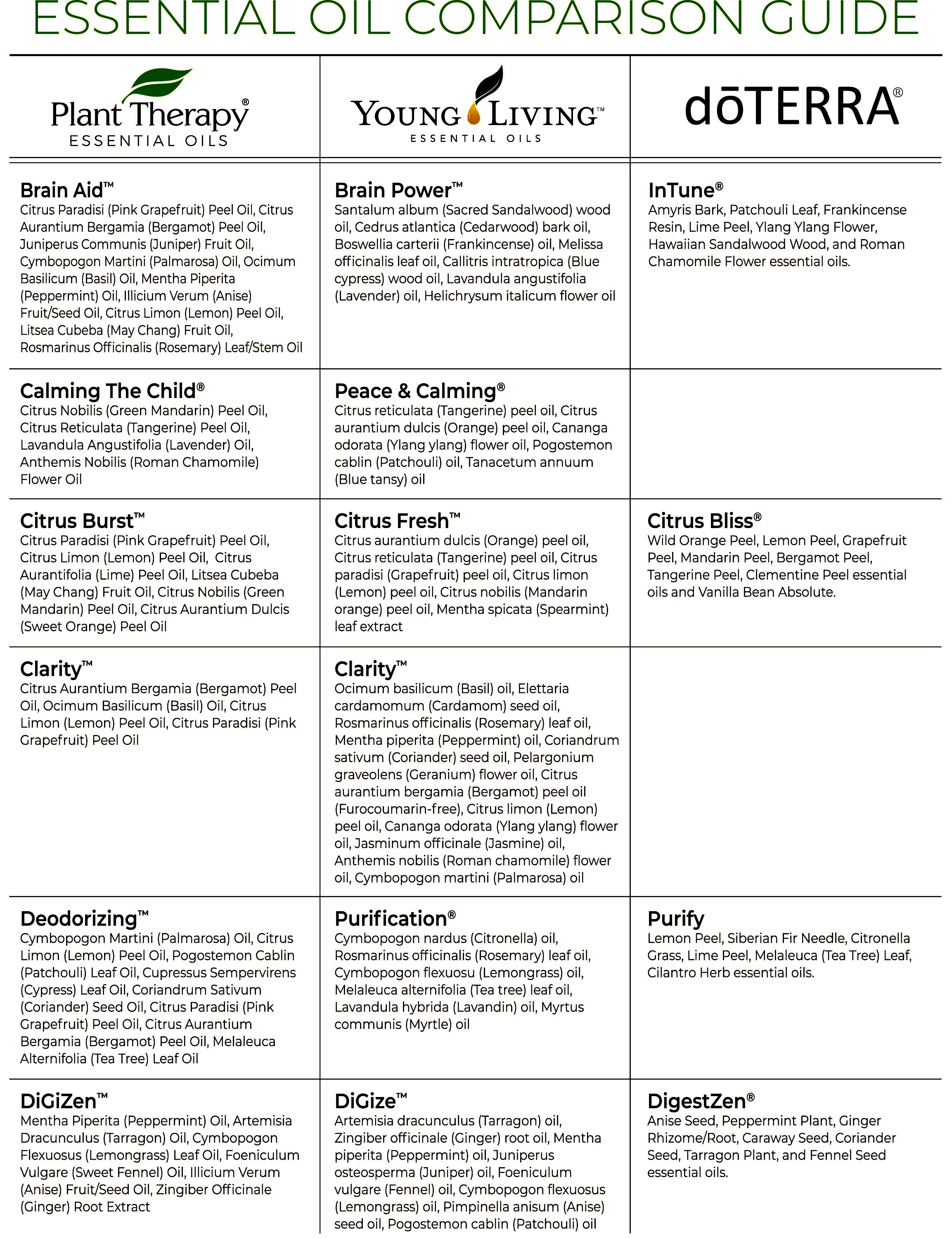
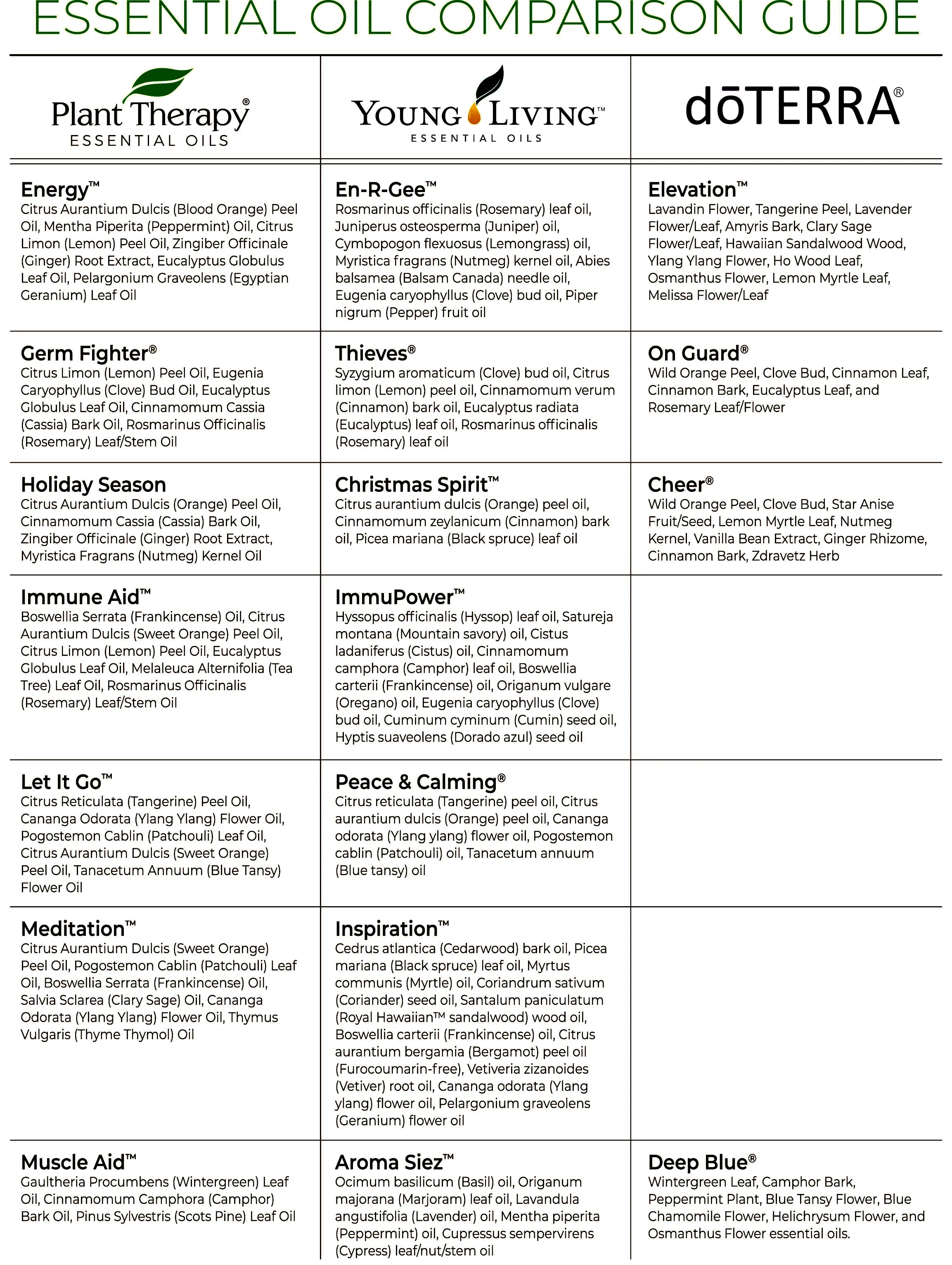
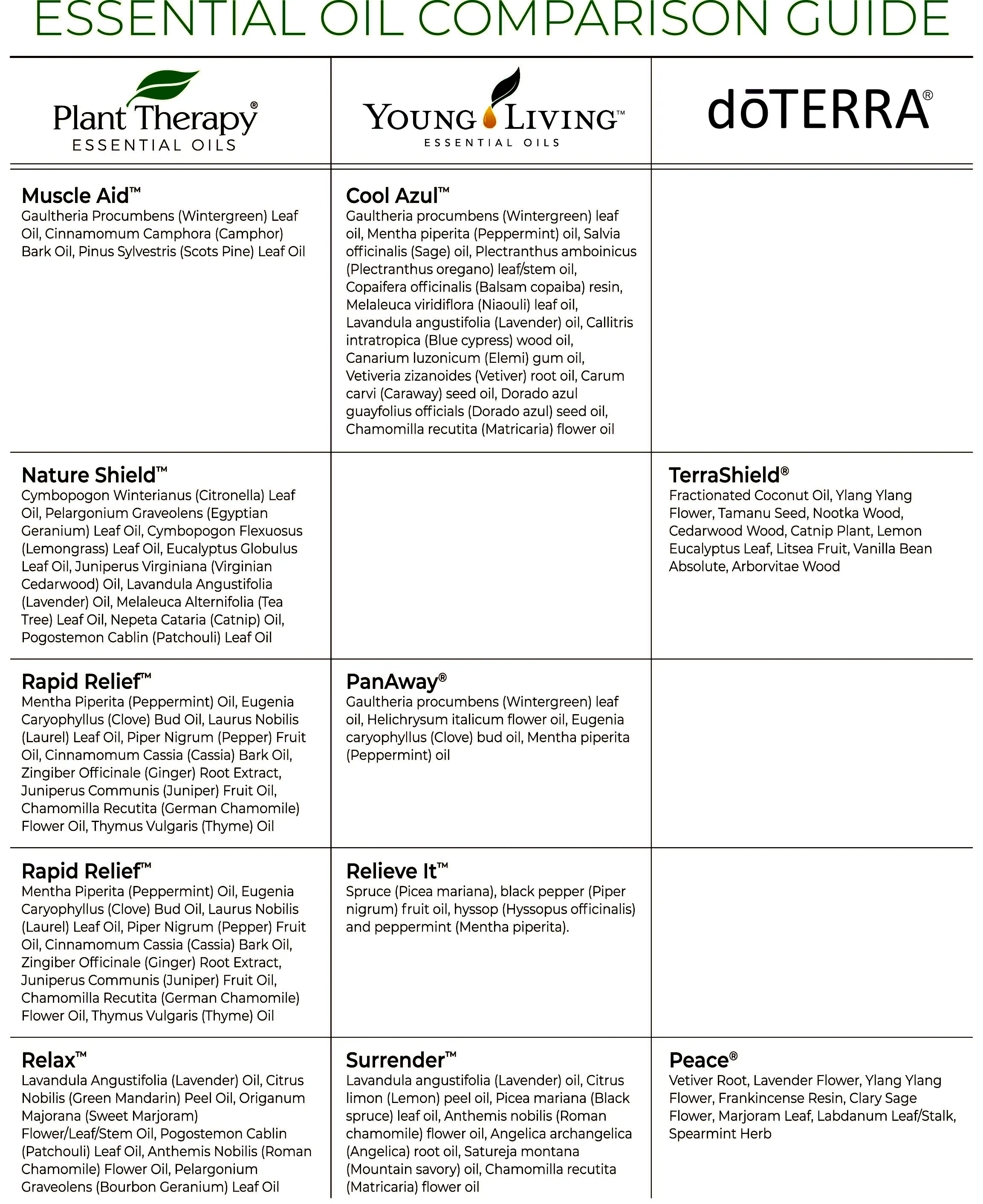
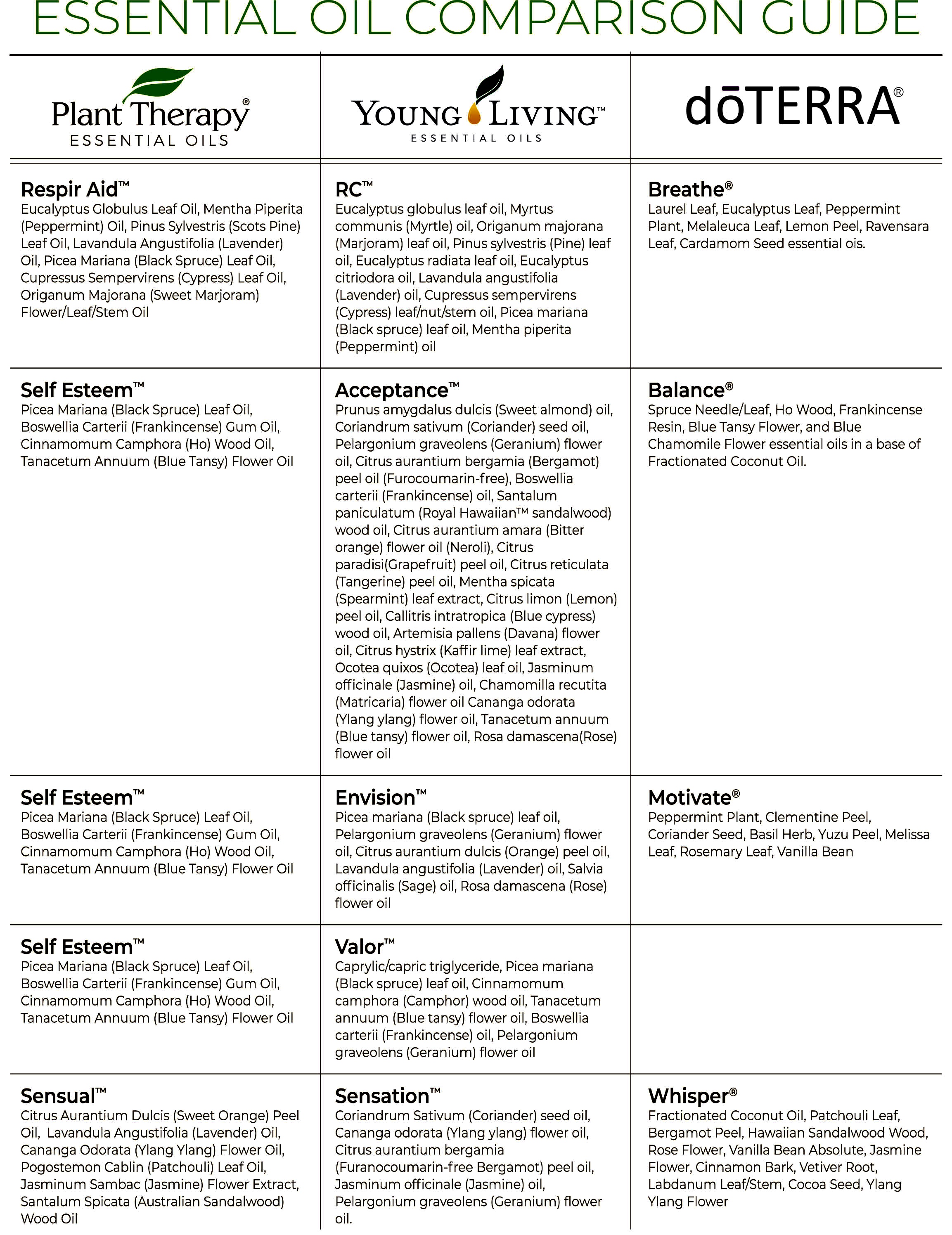
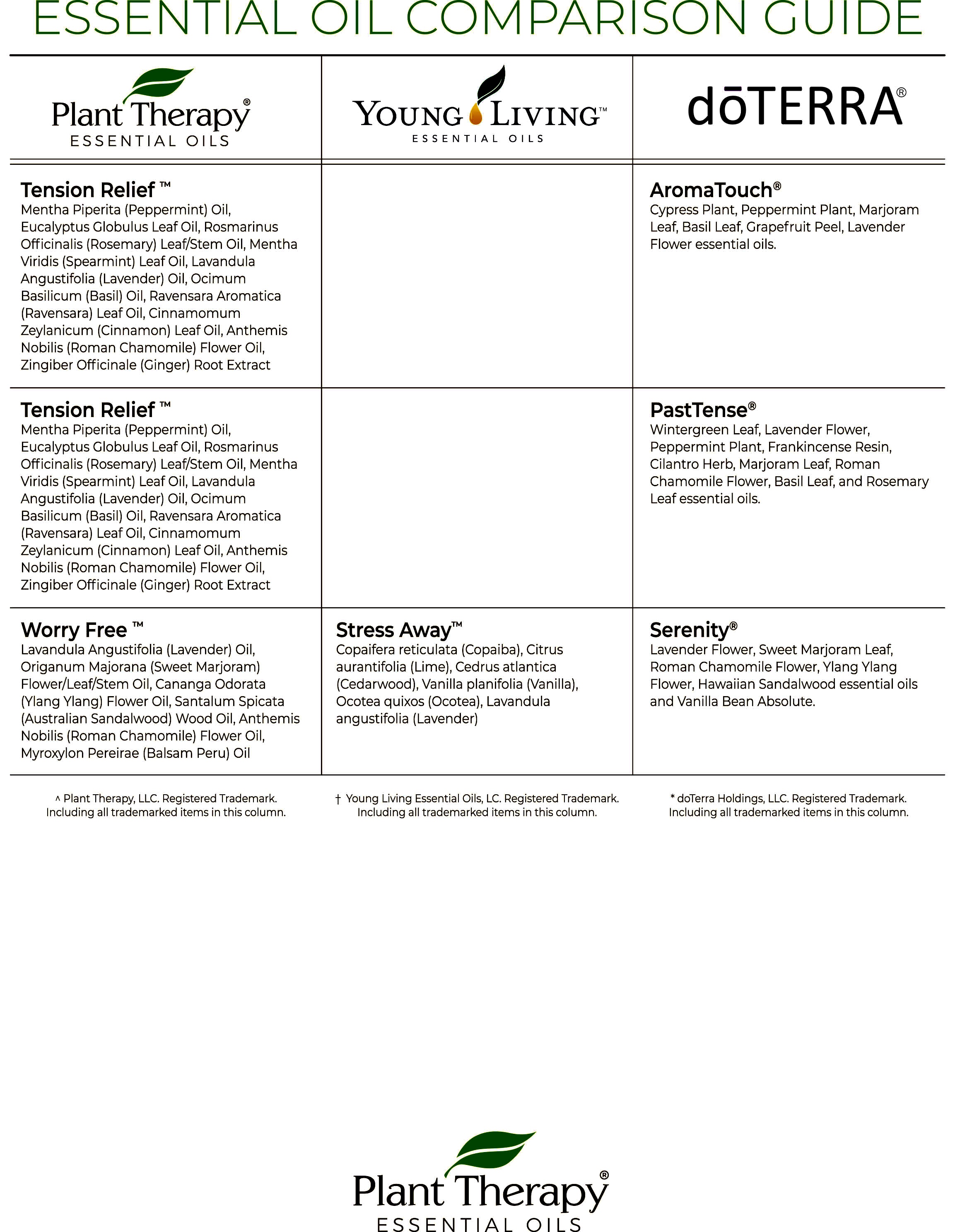
When evaluating different essential oil brands, several factors can help determine quality and reliability. These include whether the oils are 100% pure, whether the company provides GC/MS testing reports, and whether the sourcing practices are transparent. Reputable essential oil companies also provide batch-specific testing results and detailed botanical information such as the Latin name and country of origin.
Understanding these factors can help aromatherapy users choose essential oils that are safe, authentic, and suitable for their needs.
Looking to purchase high-quality essential oils? Browse our full collection of Plant Therapy essential oils to find safe and trusted options for your aromatherapy needs.